
Você fecha um projeto importante. O prazo é apertado, o escopo é real e montar um time interno do zero levaria mais tempo do que o projeto inteiro. O outsourcing tradicional parece distante demais: você entrega um briefing e torce. Contratar profissionais avulsos significa continuar fazendo toda a coordenação sozinho.
Existe uma terceira opção que cada vez mais empresas usam: o squad as a service.
O que é squad as a service?
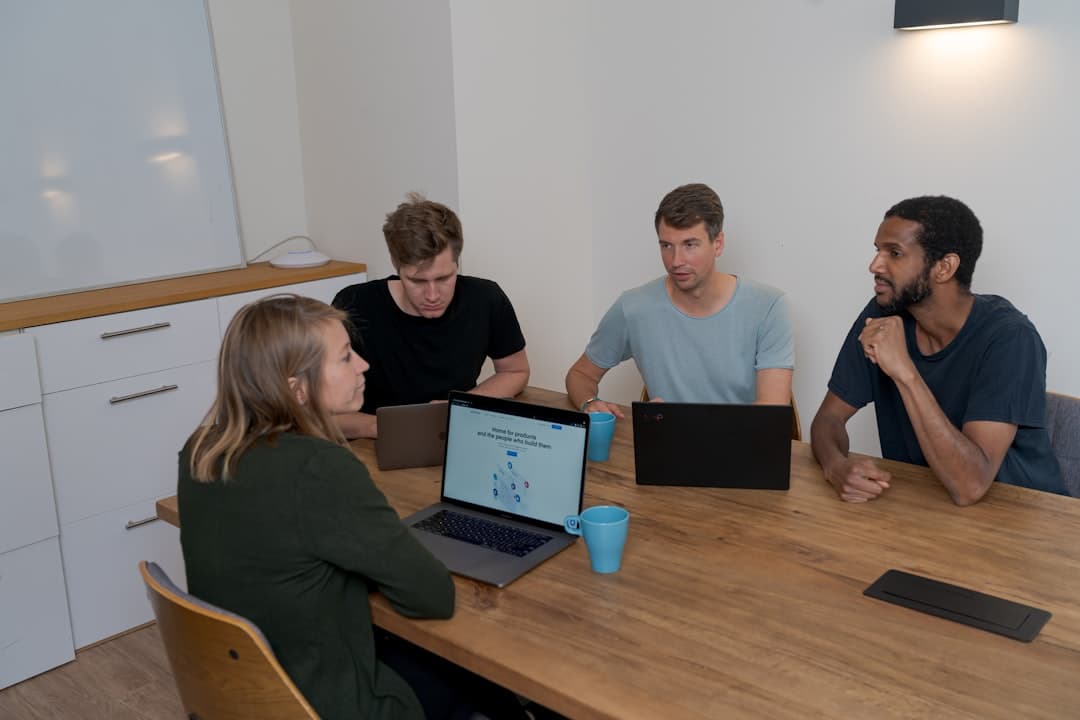
Squad as a service é um modelo em que um parceiro externo monta e gerencia um time multidisciplinar completo, sob medida para o seu projeto. Em vez de contratar um dev ou terceirizar o trabalho inteiro, você recebe um squad: normalmente uma combinação de devs, QA, designer, PM e, às vezes, um scrum master.
O squad funciona com autonomia, mas dentro do seu mundo. Usa as suas ferramentas, participa das suas dailies e se reporta à sua liderança. A visão e a estratégia são suas. A execução é do squad.
Como ele se compara a outros modelos
Squad as a service x alocação de profissionais
A alocação de profissionais preenche lacunas no time que você já tem. Você traz especialistas individuais e gerencia cada um diretamente. A coordenação, a direção e a entrega ficam com você.
Com um squad, você recebe um time que já trabalha junto. Ele traz a própria coordenação interna, o que significa menos esforço do seu lado. Você não gerencia pessoas. Gerencia resultados.
Squad as a service x outsourcing
No outsourcing tradicional, você entrega o projeto para uma empresa externa e ela toca. Você recebe atualizações a cada marco. O que acontece entre um marco e outro fica, em boa parte, a critério dela.
O squad funciona diferente. Você mantém o controle da estratégia e das prioridades. O squad cuida da execução, mas dentro do seu processo, não num processo paralelo.
O que você recebe de fato
Um time que funciona desde o primeiro dia. Nada de passar as primeiras semanas descobrindo quem faz o quê. O squad já sabe trabalhar junto antes de começar a trabalhar para você.
Cobertura de ponta a ponta. Nada de coordenar uma software house, uma agência de design e um PM freelancer. O squad tem tudo o que precisa para levar uma funcionalidade da ideia ao deploy.
Flexibilidade de verdade. Se as prioridades mudam no meio do projeto, você ajusta o foco do squad em vez de renegociar um contrato de escopo fechado. O trabalho se adapta conforme você aprende.
Menos esforço de gestão. Você não faz daily com cinco profissionais avulsos. O squad tem coordenação interna. Você tem um ponto de contato e alinhamentos semanais que realmente importam.
Acesso a profissionais que você não acharia na sua cidade. O squad as a service costuma buscar gente em uma base bem maior do que o mercado local. Os melhores profissionais para a sua stack não moram todos perto do seu escritório.
Onde o modelo complica
O onboarding exige esforço real. Mesmo um squad bem coordenado precisa de tempo para entender o seu contexto: o seu código, as suas prioridades, o seu jeito de trabalhar. Não pule o onboarding só porque o time parece pronto. Ele ainda precisa conhecer o seu produto.
Você depende de quem montou o squad. A qualidade do squad reflete a qualidade do parceiro que o montou. Avaliar o fornecedor é tão importante quanto avaliar o time.
Você ainda precisa estar presente. Um squad pode funcionar com autonomia, mas autônomo não quer dizer invisível. Revisões de sprint frequentes, feedback claro sobre as entregas e pessoas do seu lado disponíveis para decidir fazem a diferença entre um squad que entrega e um que fica à deriva.
O contrato precisa ser específico. Acordos vagos sobre escopo, prazos ou propriedade do trabalho geram atrito rápido. Escreva como é o "pronto" antes de alguém escrever a primeira linha de código.
Um exemplo real
Um e-commerce de porte médio queria construir um aplicativo. O time interno estava no limite. Não havia fôlego para contratar, integrar e gerenciar um time novo do zero.
A empresa trouxe um squad: um PM, dois devs mobile, um designer de UI/UX, um QA e um scrum master. O squad trabalhava remoto, mas participava toda semana das revisões de sprint da empresa e tinha linha direta com o head de produto.
O aplicativo saiu no prazo. O time interno não foi tirado do que já estava fazendo. A empresa ganhou o produto sem o trabalho de montar o time que o construiu.
Quando faz sentido, e quando não faz
O squad as a service funciona bem quando:
- O projeto precisa de um time completo, não só de um ou dois devs
- Você precisa andar rápido e não pode esperar um processo seletivo de três meses
- O trabalho tem começo, meio e fim: um lançamento de produto, uma migração de plataforma, um conjunto específico de funcionalidades
- O seu time interno não tem experiência nessa stack ou nesse domínio
Ele faz menos sentido para:
- Projetos que exigem integração profunda com a cultura interna por um período longo
- Empresas que querem controle direto sobre cada decisão do dia a dia
- Trabalhos que ainda não estão definidos. Se você não consegue descrever como é o sucesso, o squad não tem para onde correr
Como fazer dar certo
Escolha um parceiro com histórico real. Peça para ver como ele montou squads antes. Que papéis incluiu? Como lidou com mudanças de escopo? O que aconteceu quando algo deu errado?
Defina o escopo antes de o squad começar. Não precisa de uma especificação de 40 páginas. Precisa de uma resposta clara para: o que esse squad entrega, até quando, e como vamos saber que está pronto?
Organize a comunicação desde cedo. Revisões de sprint semanais, um quadro de projeto compartilhado, um canal no Slack em que a sua liderança e a liderança do squad conversam direto. Simples e constante vale mais do que complexo e esporádico.
Planeje a passagem de bastão desde o início. Em algum momento o squad encerra o trabalho. Garanta que a documentação, a responsabilidade pelo código e o conhecimento acumulado passem para quem vai manter o produto depois.
Na EnzRossi, montamos squads tanto no modelo de alocação de profissionais quanto no de squads dedicados. Todo profissional que alocamos passa pela mesma avaliação em cinco dimensões: profundidade técnica, comunicação, fluência em ferramentas de IA, senso de dono e alinhamento cultural. Se você está tentando descobrir se um squad faz sentido para o que está construindo, fale com a gente. Vamos fazer algumas perguntas diretas e dar a você uma resposta franca.