
Latin America
Hire LATAM developers
Latin America has 1 million+ software developers across 8 countries. Near-US timezones, strong CS education, and a growing track record with US product companies make it one of the most effective hiring regions for remote engineering teams.



Why LATAM
Why hire from Latin America
Near-US timezones
LATAM runs UTC-3 to UTC-6. That gives US East Coast teams 5–8 hours of real-time overlap and West Coast teams 2–5 hours. You get actual collaboration, not async-only handoffs.
1 million+ active developers
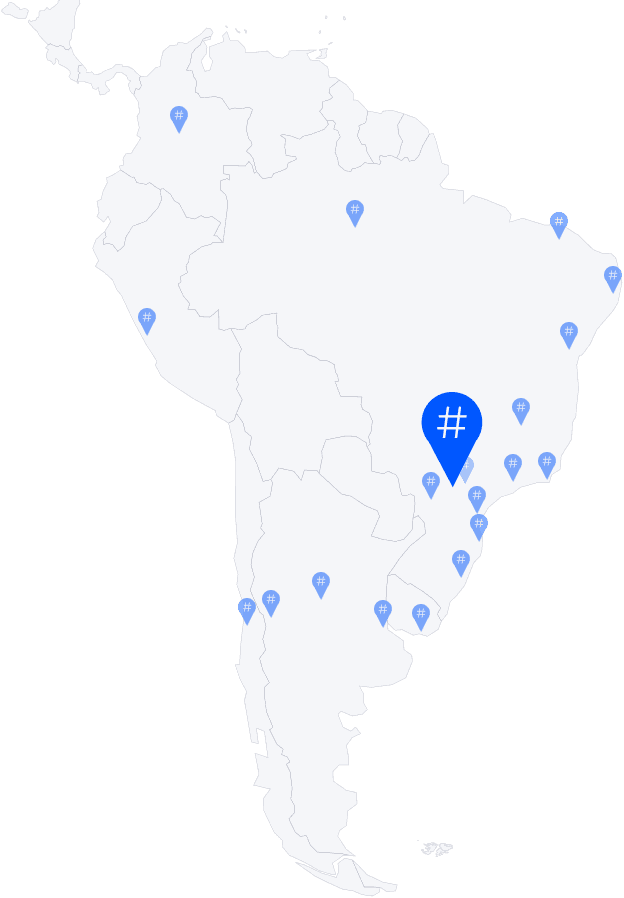
Brazil, Argentina, Colombia, Mexico, Chile, Uruguay, Peru, and Costa Rica together produce over a million active software developers. That depth lets us match specific skills across the full stack.
Strong CS education
USP, UBA, Universidad de los Andes, ITESM, PUC Chile, LATAM has serious CS universities with rigorous programs. The engineers coming out of them know fundamentals, not just frameworks.
Real cost savings without quality trade-offs
Senior LATAM engineers cost 40–60% less than their US equivalents. That's not because they're less skilled, it's cost of living. The same engineer who'd earn $160k in San Francisco does equivalent work for $75k–$95k in São Paulo or Buenos Aires.
Cultural alignment with US teams
LATAM developers are used to US product companies, English-language codebases, and distributed team norms. They ask questions before building, write clear PRs, and operate with ownership.
EnzRossi's multi-country vetting network
We vet across all major LATAM markets. When you tell us what you need, we search the full region, not just one country, for the best match on skills, timezone, seniority, and communication style.
Talent landscape
LATAM's developer ecosystem
Latin America's tech sector has grown significantly over the past decade, driven by strong university programs, large domestic tech companies (Nubank, MercadoLibre, iFood, Rappi, Cornershop), and sustained demand from US companies. The developer community is increasingly AI-tool-fluent across the region: GitHub Copilot, Cursor, and AI-assisted workflows are standard in most modern LATAM engineering teams, and we evaluate for this as part of our five-dimension vetting process (technical depth, communication, AI tool fluency, ownership, and cultural alignment). Brazil and Argentina have the most mature senior talent markets. Colombia and Mexico are the fastest-growing. Chile and Uruguay produce the highest quality-to-size ratios.
1M+
Active developers
8
Countries we source from
3 days*
First shortlist
97%
Client satisfaction
* For common roles like full-stack. Other roles typically take 7 to 10 days.
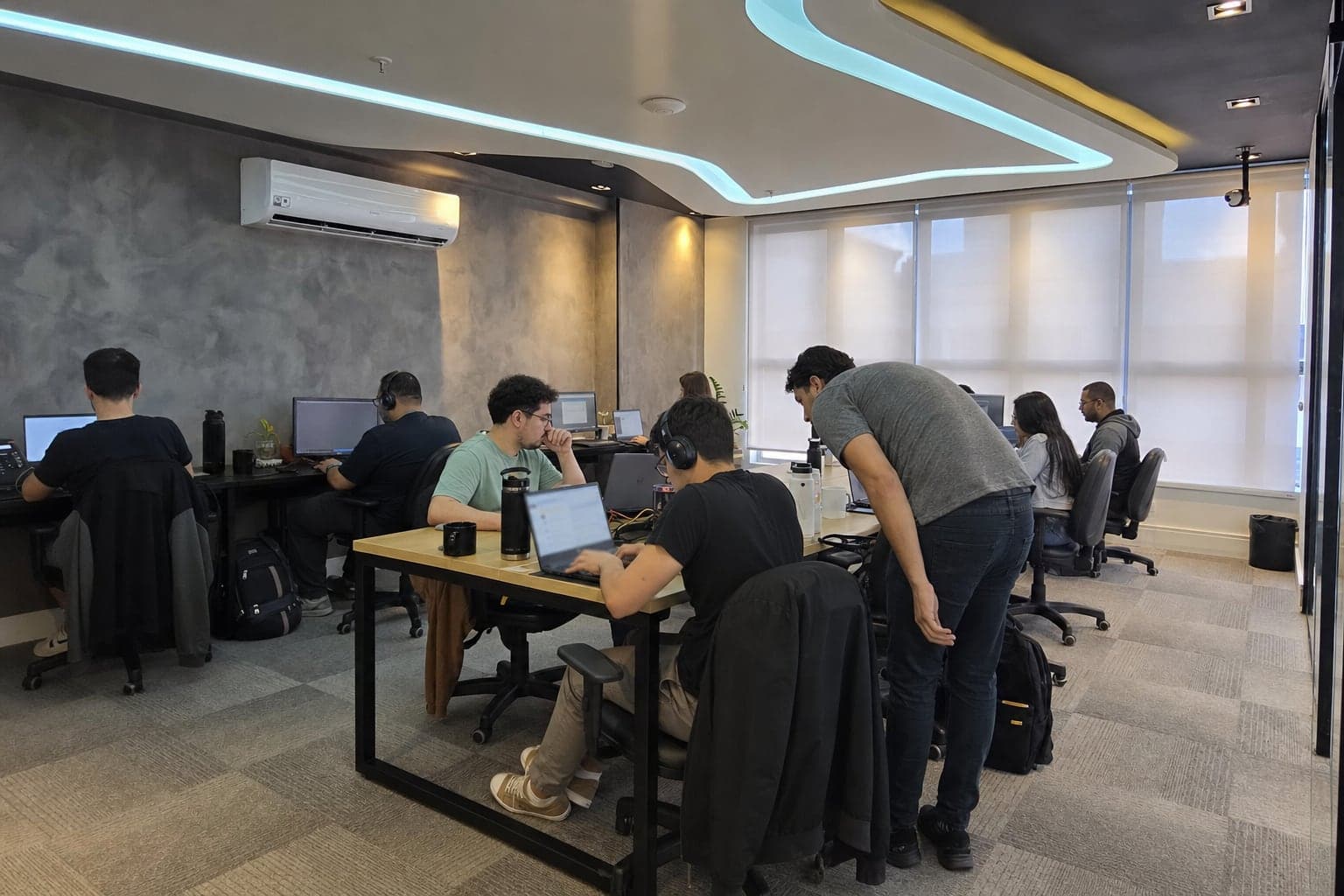
The EnzRossi team
Building remote teams that work
Major tech hubs
Top LATAM engineering cities
Timezone
Working hours with LATAM
Switch to your timezone and hover any hour to see what time it is for your developer.
Hover any hour above to see the exact local time
Morning standup
9 AM EST
→ 9 AM local
WorksMidday sync
12 PM EST
→ 12 PM local
WorksAfternoon review
3 PM EST
→ 3 PM local
WorksEnd of day
5 PM EST
→ 5 PM local
Works
Hours shown reflect standard local working hours (9 AM – 6 PM). Companies and contractors can agree on different schedules.
Daily overlap
9 hours
9 AM – 6 PM EST
Best window
9 AM – 1 PM EST
For standups & reviews
For this TZ
Excellent
Real-time collaboration works
Regional salary ranges
LATAM developer costs vs US market
| Role | Junior | Mid-level | Senior |
|---|---|---|---|
| Full-Stack Developer | $18k–$40k | $38k–$68k | $60k–$100k |
| Backend Developer | $16k–$38k | $36k–$65k | $58k–$95k |
| Frontend Developer | $15k–$36k | $34k–$60k | $55k–$90k |
| Mobile Developer | $18k–$42k | $40k–$70k | $65k–$100k |
| DevOps Engineer | $20k–$44k | $44k–$74k | $70k–$108k |
| Data Engineer | $22k–$46k | $46k–$78k | $72k–$110k |
Rates in USD per year. Actual rates vary based on seniority, skills, and engagement model.
Browse by role
Popular roles from LATAM
FAQ
Common questions about hiring from LATAM

Ready to build a LATAM engineering team?
Tell us the roles, seniority levels, and timezone preferences. We'll have a shortlist in 3 days.