
Better engineers. Better teams. Fewer fires.
We run practical training programs for engineering teams, covering management skills, remote work practices, Git and CI/CD workflows, and the communication patterns that make distributed teams work.
Free, no commitment. Takes about 30 seconds.
* For common roles like full-stack. Other roles typically take 7 to 10 days.

Your next engineer

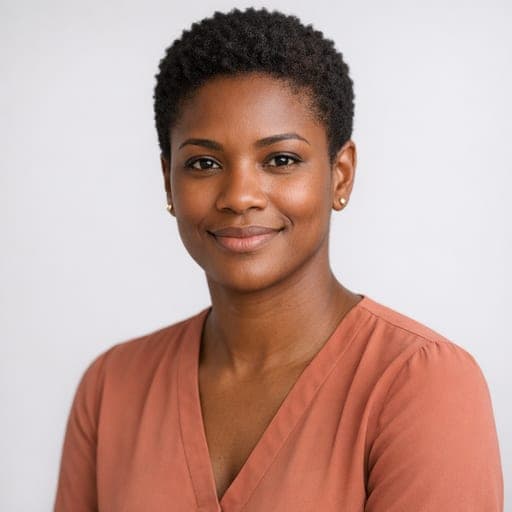
Lucas A.
Senior Full-Stack Engineer
 São Paulo, BR·9 yrs
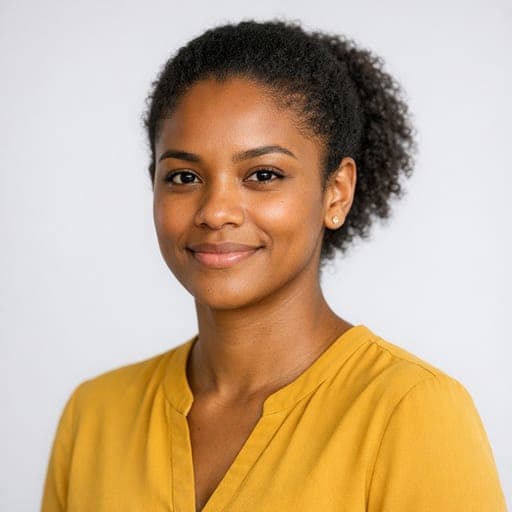
Sample profiles from our talent network: 3,000+ professionals in 6 countries.













200+ people placed with teams like


200+
People Allocated
5%
Of applicants make our active bench
97%
Client Satisfaction
3 days*
Average Time to First Match
Across fintech, edtech, SaaS, and e-commerce engineering teams in the US
* For common roles like full-stack. Other roles typically take 7 to 10 days.
What it is
Training that applies on Monday morning.
Most engineering training is either too abstract to use or too vendor-specific to matter. We run programs grounded in real situations: the engineer who just got promoted and has no idea how to run a retro; the team that's half remote and struggling with async collaboration; the developers shipping features without proper CI/CD hygiene.
All sessions use real cases, real tools, and real conversation.

What you get
Programs that fix real problems, not theoretical ones.
Management coaching for promoted devs
Structured coaching for engineers who became managers.
Remote work and async practices
How to write documentation that people read, how to make async decisions efficiently, and how to build trust with teammates you've never met in person.
Technical communication
How to explain architecture decisions to non-technical stakeholders, write specs that prevent misalignment, and communicate blockers without sounding like you're making excuses.
Git, Jira, and CI/CD best practices
Branch strategies, PR descriptions, commit hygiene, Jira workflow design, pipeline structure, and how to build a CI/CD process your team will actually follow.
Agile ceremonies that work
Sprint planning that produces achievable commitments, retrospectives that generate actual change, and daily standups that take under 15 minutes and surface real blockers.
Code review culture
How to give feedback that improves code without breaking relationships.
Want to see profiles before you decide?
Tell us who you need. The first shortlist arrives in 3 days for common roles, with no commitment.
How we run it
A program shaped around your team's actual gaps.
- 01
Team assessment
We survey your team and run a discovery call with your engineering manager or CTO to identify the top skill gaps and communication pain points.
- 02
Program design
We propose a training program tailored to your gaps: which modules, in which order, at what pace.
- 03
Live sessions
Interactive video sessions of 90 minutes each.
- 04
Between-session assignments
Small practical assignments applied to real work: a 1-on-1 to run, a PR to review using new techniques, a retro to facilitate.
- 05
Manager check-ins
For management-focused programs, individual coaching sessions between group sessions help participants apply concepts to specific situations they're navigating right now.
What you are actually signing
Try an engineer for two weeks. Keep them only if they earn it.
Shortlist in 3 days*
Three candidates reviewed against your brief by hand, not a database dump.
2-week trial
If the fit is wrong, you pay for the days worked and nothing else.
30-day replacement
Engineer leaves or does not work out in the first 30 days?
Month-to-month
30 days notice.
Not ready for a call? Just tell us who you need.
No calendar, no sales sequence. Send this and we will reply with profiles that fit.
How we use AI
AI in every step.People sign off on all of it.
Every team we place works with AI tools from day one and keeps training on them as new models and practices appear. It makes the work faster. It does not replace the review.
What stays human
- Peer review on every pull request
- Manual and automated testing
- QA before anything ships
- Architecture and product decisions
Planning
Break down scope, estimate, and spot risks before the sprint starts.
Coding
Scaffold, refactor, and pair with AI inside the editor.
Testing
Generate test cases and edge cases. People decide what passes.
Documentation
Keep docs and PR descriptions current without the Friday scramble.
Research
Compare libraries, read specs, and prototype faster.
Code review
First pass by AI, final call by a person.
Need AI inside your product? The engineers we place build that too.
AI & ML developmentBest fit
Who we train.
New engineering managers
Developers in their first 18 months as managers.
Distributed or remote engineering teams
Teams that span time zones and struggle with async communication, documentation discipline, or keeping remote engineers engaged.
Junior and mid-level engineers
Developers who have the technical chops but need to improve their Git hygiene, code review practices, and ability to communicate blockers clearly.
Teams adopting new tools or processes
Engineering teams introducing CI/CD, migrating to a new branching strategy, or adopting Jira after years of something else.
Before you decide
The doubts everyone has before hiring us.
And what we do about each one.
I've been burned by agencies that just forward resumes.
Only 5% of applicants pass our five-dimension vetting.
Remote engineers disappear or jump to another job.
Your account contact runs a structured check-in every month with you and, separately, with the engineer, so problems surface early.
It will cost more than hiring directly or using a freelancer.
You pay one monthly invoice with no placement fee.
No placement feeI don't want outsiders touching our code and data.
Every engineer signs a full NDA before day one, code belongs to your company from the moment it is written, and access goes only to the people who need it, under your security policies.
FAQ
Questions about training and coaching
Build a better team
Tell us what's breaking down.
We'll review your team's situation and propose a training program focused on the 2 or 3 highest-impact areas.
What happens next
- 1
You tell us what you need. It takes about 2 minutes.
- 2
A real person replies within 4 business hours.
- 3
First shortlist in 3 days*. You interview and choose.
* For common roles like full-stack. Other roles typically take 7 to 10 days.